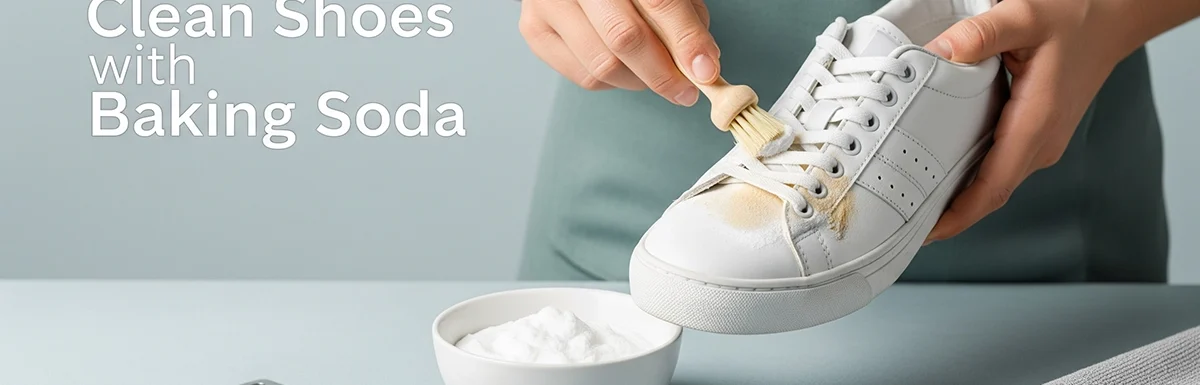
Shoes take a beating, especially if you’re a nurse, teacher, or someone constantly on their feet. Did you know that a simple kitchen staple—baking soda can keep your shoes looking fresh and smelling clean? It’s budget-friendly, safe for most materials, and effective at removing odors and stains.
In this guide, we’ll show you exactly how to clean shoes with baking soda, whether they’re white mesh sneakers, leather pumps, or delicate suede.
For more tips on keeping your footwear in top shape, check out How to Clean Nursing Shoes.
Why Use Baking Soda for Shoe Cleaning
If you’ve ever opened your shoe cabinet and been met with an unpleasant odor or noticed stubborn marks that won’t go away with soap and water, you already know why finding a reliable, safe cleaner matters.
Baking soda is a surprisingly powerful solution hiding in your kitchen cupboard, and here’s why it deserves a permanent spot in your shoe-care routine.
1. It’s a Natural Deodorizer
Baking soda doesn’t just “mask” bad smells like air fresheners do. It neutralizes them at the chemical level. Shoe odor usually comes from sweat mixing with bacteria inside your footwear. The damp, warm environment acts like a mini greenhouse for bacteria, and that’s what creates the smell.
Baking soda changes the pH balance, making it harder for odor-causing bacteria to survive, so your shoes stay fresh for longer.
2. Gentle Yet Effective Cleaning Power
The texture of baking soda is slightly gritty, but nowhere near as harsh as sand or scouring powders. This makes it a safe abrasive — strong enough to lift away dirt, mud stains, and even some scuff marks, but gentle enough that it won’t scratch the fabric or remove the protective finish.
This is especially important if you’re dealing with delicate materials like mesh or smooth leather.
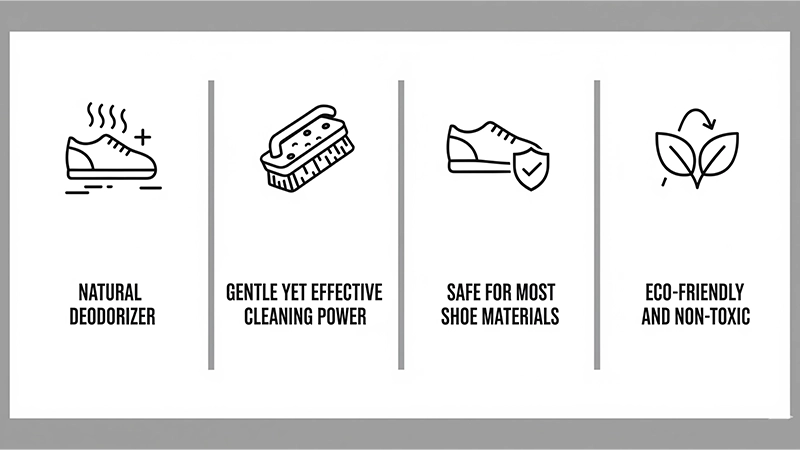
3. Safe for Most Shoe Materials
From breathable canvas sneakers to classic leather loafers, baking soda can work on a wide variety of shoe types when used correctly. You just need to adapt the method — for example, you’d use a paste for durable fabrics, but stick to dry powder for suede to avoid water marks. This flexibility makes it a single go-to product for almost every shoe in your closet.
4. Eco-Friendly and Non-Toxic
Unlike many store-bought shoe cleaners loaded with synthetic chemicals, baking soda is biodegradable, odorless, and safe to use in enclosed spaces.
You can handle it without gloves, it won’t produce harmful fumes, and you don’t need to worry about it coming into contact with your skin. This makes it a great choice for anyone sensitive to strong cleaning agents, or for families with pets and kids running around.
If you want to go beyond cleaning and actually make your footwear last longer, check out: How to Make Nurse Shoes Last Longer.
How to Clean Shoes with Baking Soda: The General Method
Baking soda is simple to use, but a little technique makes all the difference between “pretty clean” and “looks brand new.” Whether you’re dealing with running shoes, work clogs, or weekend sneakers, here’s how to get the best results without damaging your footwear.
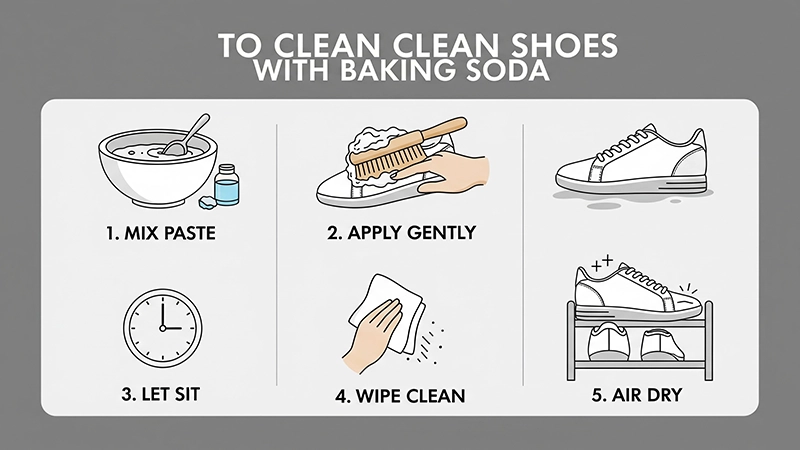
1. Make the Perfect Paste
In a small bowl, mix 2–3 tablespoons of baking soda with just enough water to form a thick paste — think toothpaste consistency. If you’re tackling stubborn stains, like ground-in dirt or yellowing on white soles, add a splash of vinegar. The fizzing reaction helps lift dirt and break down discoloration naturally.
2. Apply with Care
Dip a soft-bristled brush (an old toothbrush works perfectly) or a microfiber cloth into the paste. Work it gently into the dirty areas using small circular motions. This not only loosens dirt but also allows the baking soda’s fine particles to polish the surface without scratching it.
For leather shoes, keep your motions light and avoid pressing too hard, as too much friction can dull the finish.
3. Let the Paste Work Its Magic
Once applied, leave the paste on for 15–30 minutes. This resting period allows baking soda to absorb oils, neutralize odor, and break down stains. If you’re cleaning white canvas or mesh, you can even leave them in a sunny spot — the sunlight can help brighten the fabric naturally.
4. Remove the Residue
After the wait, gently wipe away the paste with a damp cloth. For textured materials like mesh, you may need to use the brush again to remove residue caught between fibers. If you’ve used vinegar, you’ll notice most of the fizz has stopped by now — that’s your sign the cleaning action is complete.
5. Test Before Full Cleaning
Before diving in with a full shoe scrub, always test the paste on a small, hidden section first. This ensures the method won’t alter the color or texture of your shoe material. And remember — some shoes, like suede or specialty finishes, aren’t water-friendly, so stick to a dry method for those.
For more ways to keep your feet comfortable while you’re on them all day, check out Foot Care Tips for Nurses.
How to Clean White Mesh Shoes with Baking Soda
White mesh shoes are stylish, breathable, and lightweight. These are perfect for long days on your feet, but they’re also magnets for dirt, dust, and stains.
Because mesh is a delicate, open-weave material, cleaning it requires a gentle yet thorough approach to avoid fraying fibers or discoloration. Baking soda is perfect for the job because it cleans deeply without damaging the material.
1. Prepare Your Cleaning Paste
In a small bowl, combine 1–2 tablespoons of baking soda with just enough water to form a thick, spreadable paste. For shoes with heavy staining or yellowing, add ½ tablespoon of hydrogen peroxide to the mixture — this provides an extra brightening boost without harsh bleach.
Note: If using hydrogen peroxide, make sure your mesh doesn’t have colored threads, as it can lighten them.
2. Remove Surface Dirt First
Before applying the paste, gently knock the soles together outside to shake off loose dirt and dust. Use a dry, soft brush to sweep away debris from the mesh surface. This prevents grit from scratching the fibers during cleaning.
3. Apply the Paste Gently
Dip a soft toothbrush or detailing brush into the paste. Using small, circular motions, work the mixture into the mesh. Avoid scrubbing too hard — the goal is to let the baking soda lift the dirt out of the fibers, not push it deeper in. Pay extra attention to areas around the toes and sides, which often pick up the most grime.
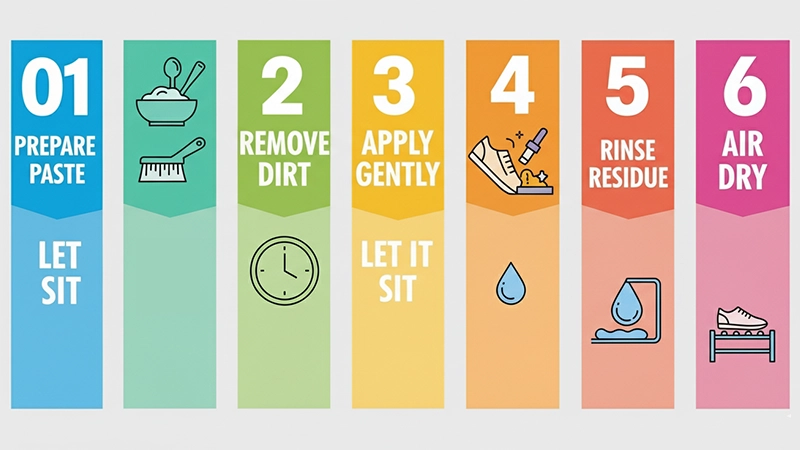
4. Let It Sit and Do Its Job
Once the paste is evenly applied, let it rest for 15–20 minutes. This contact time allows the baking soda to absorb oils and break down stains while the hydrogen peroxide (if used) gently brightens the fabric.
5. Rinse and Remove Residue
Use a clean, damp cloth to wipe away the paste. For stubborn residue stuck between the mesh holes, lightly dab with the cloth or use the brush with plain water. Avoid submerging mesh shoes completely, as soaking can weaken the glue holding the shoe together.
6. Air Dry Completely
Stuff your shoes loosely with paper towels to help them hold shape while drying. Place them in a well-ventilated area, away from direct heat or intense sunlight, which can cause yellowing. Allow at least 8–12 hours for full drying before wearing them again.
How to Clean Fabric & Canvas Shoes With Baking Soda
Canvas and fabric shoes — whether it’s your favorite pair of white cloth sneakers, classic white Converse, or casual slip-ons — are versatile and comfortable, but they’re also prone to picking up stains, dust, and scuffs. Because these materials are absorbent, dirt tends to settle into the fibers rather than staying on the surface.
Baking soda is an ideal cleaning solution here: it’s gentle, non-toxic, and powerful enough to refresh both the color and texture of the fabric without harsh chemicals.
1. Mix Your Cleaning Solution
In a small bowl, combine 1–2 tablespoons of baking soda with just enough water or white vinegar to form a thick paste.
- Water-based paste: Gentle and safe for regular cleaning.
- Vinegar-based paste: Adds natural stain-fighting power and deodorizing properties, perfect for tough marks or odors.
2. Prep the Shoes for Cleaning
Remove any loose dirt by gently tapping the shoes together outdoors. Then, use a dry soft-bristled brush to sweep off surface dust. This step keeps dirt from grinding deeper into the fabric during scrubbing.
3. Apply and Scrub Gently
Dip a soft toothbrush or shoe brush into the paste and apply it to the fabric using small circular motions. Focus on high-traffic areas like the toe box, lace eyelets, and sides. Avoid oversaturating the fabric — the goal is to clean the surface without soaking the shoes.
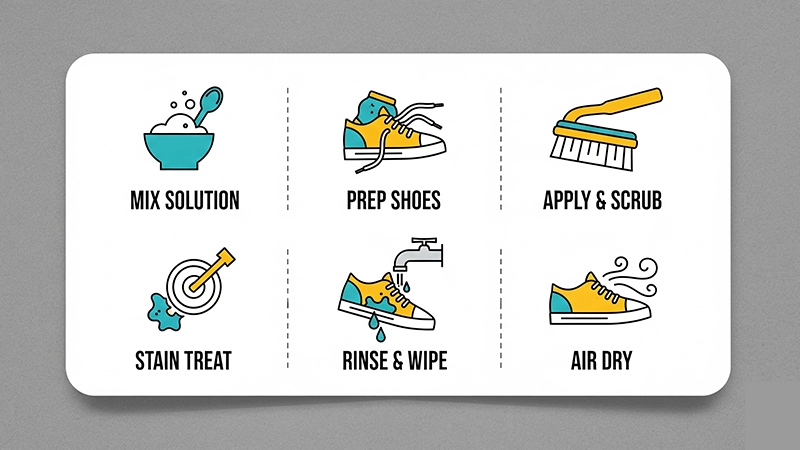
4. Address Stubborn Stains
For set-in stains, reapply a thicker layer of paste and let it sit for 10–15 minutes before scrubbing again. The baking soda will work to lift discoloration while neutralizing any lingering odors.
5. Rinse or Wipe Down
If the shoes are sturdy (like Converse), you can rinse lightly with cool water to remove the paste. For more delicate cloth shoes, use a damp microfiber cloth to wipe away residue without fully soaking the fabric.
6. Air Dry Thoroughly
Stuff the shoes with paper towels to help them retain their shape and absorb moisture. Place them in a well-ventilated spot away from direct sunlight to prevent fading or shrinking. Allow at least 12 hours of drying time before wearing them again.
How to Clean Suede, Nubuck, and UGG Shoes With Baking Soda
Suede, nubuck, and UGG boots are undeniably stylish and cozy, but they are also some of the most delicate shoe materials to clean. These surfaces are made from soft, velvety leather with tiny fibers (the nap) that give them their luxurious texture — and unfortunately, those fibers are magnets for dirt, dust, and water stains.
Baking soda is an excellent cleaning tool for these materials, but it must be used in its dry form to avoid damaging the texture or causing permanent water marks.
1. Understand the Material
- Suede: Soft leather with a velvety nap that’s sensitive to moisture.
- Nubuck: Similar to suede but made from the outer side of the hide, making it slightly more durable but still delicate.
- UGG Boots: Often suede or nubuck on the outside with a sheepskin lining inside, requiring double care for both the exterior and odor control.
2. Prep the Shoes Before Cleaning
- Remove any loose dirt by gently tapping the shoes together outside.
- Use a soft suede brush or clean toothbrush to lift away surface dust and restore the nap before applying baking soda.
3. Apply Baking Soda (Dry Method Only)
- Sprinkle a light, even layer of dry baking soda over the stained or odorous areas.
- For UGG boots, you can also sprinkle a teaspoon of baking soda inside the lining to neutralize odors.
- Avoid creating a paste — water can darken suede permanently or stiffen the fibers.
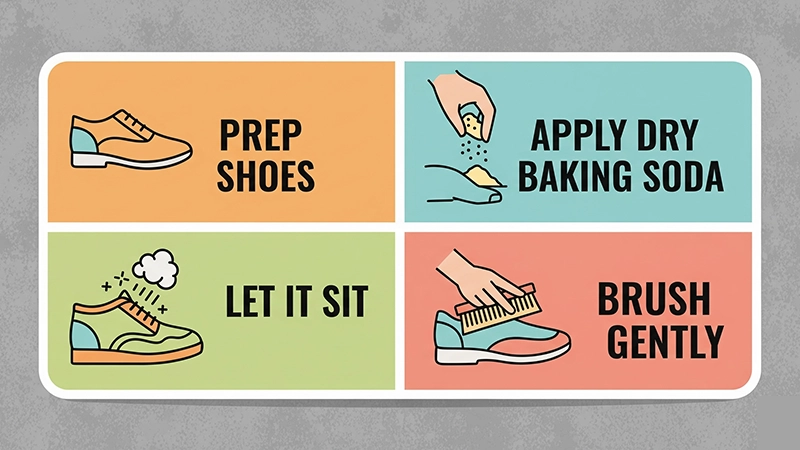
4. Let It Sit and Absorb
Allow the baking soda to rest on the shoes for at least 2–3 hours, or overnight for strong odors. This gives it time to draw out oils, moisture, and smells without aggressive scrubbing.
5. Brush Away Gently
Using a suede brush, gently sweep away all the baking soda. Brush in one direction to restore the nap and keep the surface looking smooth.
6. Repeat if Needed
If stains remain, repeat the process. For extremely stubborn spots, consider using a dedicated suede cleaner — but only as a last resort, since over-cleaning can wear down the texture.
How to Clean White Leather & Patent Leather Shoes with Baking Soda
White leather and patent leather shoes can look sleek and professional, but they also tend to showcase every scuff, mark, or bit of grime. Unlike suede or mesh, leather is far more forgiving when it comes to cleaning.
But it still requires a gentle touch and minimal water to maintain its finish and flexibility. Baking soda is perfect here because it can lift stains without scratching or dulling the surface.
1. Prepare Your Shoes
- Remove laces if possible, so you can reach the tongue and edges easily.
- Wipe off any surface dust or dirt with a dry, soft cloth before applying the cleaning solution.
2. Make a Gentle Cleaning Paste
- In a small dish, mix 1–2 teaspoons of baking soda with just enough water to form a smooth paste.
- For extra cleaning power on deep scuffs, you can add a drop of mild dish soap — but avoid harsh detergents that can dry out leather.
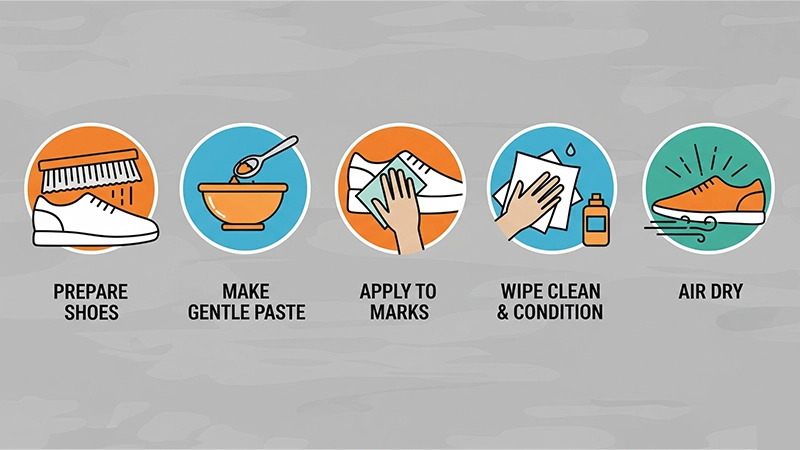
3. Apply to Scuffs and Marks
- Dip a clean, soft cloth (microfiber works best) or cotton pad into the paste.
- Rub the affected area in small, circular motions. This gentle abrasion helps lift the dirt without scratching the finish.
4. Wipe Clean and Condition
- Use a slightly damp cloth to remove any remaining paste.
- For standard leather shoes: Apply a small amount of leather conditioner or cream polish to keep the leather supple and prevent cracking.
- For patent leather: Skip the conditioner and instead buff with a dry cloth to restore that glossy, mirror-like shine.
5. Let Them Air Dry
- Always allow your shoes to air dry at room temperature — never use direct heat, which can warp the leather.
How to Clean Smelly Shoes with Baking Soda
Foot odor is a common struggle for people who spend long hours in their shoes — nurses, teachers, retail workers, athletes, and anyone constantly on the move. No matter how perfect the shoes you have, it won’t feel good if they smell.
Generally, the smell comes from sweat mixing with bacteria, which thrive in the warm, enclosed environment of your shoes. The good news? Baking soda doesn’t just mask the odor — it neutralizes it by balancing pH levels and absorbing excess moisture.
Here’s the right way to freshen up your shoes and keep them smelling clean:
1. Prepare Your Shoes
- Remove insoles if they’re washable and give them a separate clean.
- Check for any trapped debris or dirt inside the shoe and shake it out.
2. Apply the Baking Soda
- Sprinkle 2–3 tablespoons of dry baking soda inside each shoe, ensuring you reach the toe area.
- For more even coverage, you can put the baking soda into a thin sock or small breathable pouch and place it inside — this makes cleanup even easier.
3. Let It Work Overnight
- Leave the shoes in a dry, well-ventilated spot.
- Overnight (about 8–12 hours) gives the baking soda time to fully absorb moisture and neutralize odor-causing bacteria.
4. Remove the Residue
- Shake out the powder into a trash bin or outdoors.
- For a completely clean interior, use a small handheld vacuum to remove leftover particles.
5. Optional Fresh Scent Boost
- Mix a few drops of lavender, peppermint, or tea tree essential oil into the baking soda before sprinkling it in. These oils add fragrance and also have natural antibacterial properties.
How to Clean Specialty Shoes with Baking Soda
Specialty shoes often have unique materials and constructions that require extra care. Using baking soda can still be effective, but the cleaning approach needs to be adjusted for each type to avoid damage. Here’s how to handle three common specialty shoe types:
1. Climbing Shoes
Climbing shoes are made to fit snugly, which means they trap a lot of sweat — and odor — during intense sessions. However, soaking them can weaken the rubber and cause shrinkage.
How to clean:
- Deodorize: Sprinkle 1–2 tablespoons of dry baking soda inside each shoe after use.
- Let sit overnight in a dry, cool place.
- Shake out the powder before your next climb.
- For deep cleaning, remove the laces (if any) and hand-wash only the outer fabric with a damp cloth — avoid the inside to keep the fit intact.
2. Satin Shoes
Satin is delicate and prone to water spots, so cleaning must be done with a light touch.
How to clean:
- Create a mild baking soda paste (just enough water to hold together).
- Spot clean by dabbing gently with a soft cloth — never rub, as friction can damage the fibers.
- Wipe the area with a barely damp cloth to remove residue.
- Air dry in a shaded, well-ventilated area to prevent discoloration.
3. Brooks Shoes
Brooks running and walking shoes usually combine mesh and fabric, which makes them breathable but also prone to dirt buildup.
How to clean:
- Remove the laces and insoles.
- Mix baking soda with water to form a gentle paste.
- Use a soft brush to scrub the mesh and fabric areas in small circles.
- Wipe with a damp microfiber cloth to remove excess paste.
- Air dry completely before wearing — avoid direct heat to protect glue and fabric.
Precautions When Cleaning Shoes with Baking Soda
While baking soda is generally safe for most footwear, using it incorrectly can damage certain materials or reduce the life of your shoes. Keep these safety tips in mind before you start scrubbing:
1. Avoid abrasive scrubbing on delicate materials
- Materials like suede, satin, and mesh can snag or fray if you scrub too hard.
- Always use a soft-bristled brush or microfiber cloth when cleaning delicate surfaces.
- For extremely fragile fabrics, stick to spot cleaning instead of full-surface treatment.
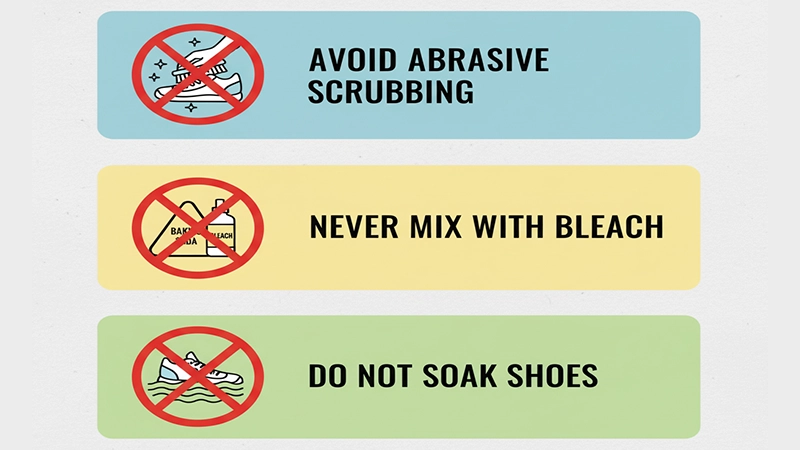
2. Never mix baking soda with bleach
- Combining these two creates a chemical reaction that releases harmful gases.
- Even small amounts can irritate your eyes, nose, and skin — plus, it can cause discoloration on fabrics.
- If you need extra whitening power, use hydrogen peroxide instead (in moderation).
3. Do not soak shoes that aren’t water-safe
- Many leather, suede, and specialty athletic shoes can warp, shrink, or lose adhesive strength when soaked.
- Instead, use baking soda in dry form for deodorizing or as a light paste only on the dirty spots.
- Always check your shoe’s care label for cleaning instructions before applying any liquid.
Recommended Tools & Products
Product | |
Soft Shoe Scrubbing Brush | |
Shoe Cleaning Kit | |
Shoe Protector Spray |
Conclusion
Baking soda isn’t just a kitchen staple; it’s practically a shoe care superhero. Whether your sneakers smell like last week’s workout, your white canvas shoes have lost their sparkle, or your suede boots picked up some mystery stains, baking soda can come to the rescue without harsh chemicals or expensive cleaners.
Its natural deodorizing power works by neutralizing the acids that cause odors, while its gentle abrasiveness lifts dirt without damaging delicate fabrics. On top of that, it’s affordable, eco-friendly, and safe for most shoe materials when used correctly.
The key is knowing how to adapt the method—dry application for odor removal, paste for deep cleaning, and spot treatment for stubborn stains—so you don’t risk harming sensitive materials like suede or leather.
FAQs about Cleaning Shoes with Baking Soda
Is it safe to use baking soda on suede or nubuck shoes?
Yes, but only dry powder and gentle brushing—never soak.
What’s the best way to clean white fabric shoes with baking soda?
Make a paste, scrub gently, rinse lightly, and air dry.
How often can I use baking soda to deodorize my shoes?
Once a week or after heavy use works best.
Can I mix baking soda with vinegar to clean shoes?
Yes, it adds cleaning power, but avoids soaking delicate materials.
Does baking soda damage shoe material?
If used properly, no. Always test on a small area first.
Leave a Reply