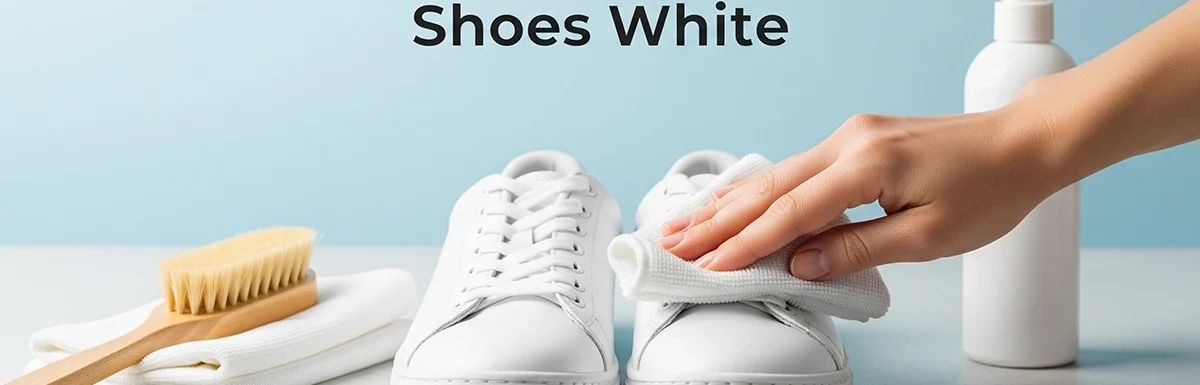
White shoes give off a crisp, clean, and professional vibe. Nurses, techs, and medical pros everywhere love them for good reason. But let’s be honest: keeping them looking bright after long shifts, spills, and miles of hallway walking? Not so easy.
The good news? With a little know-how and the right routine, you can keep your white shoes looking fresh, shift after shift. Whether you’re dealing with scuffs, sweat stains, or just everyday grime, this guide will walk you through how to keep shoes white with minimal fuss.
Ready to give your shoes the TLC they deserve? Let’s jump in.
P.S. If you’re starting with a deep clean, check out How to Clean Nursing Shoes first—it pairs perfectly with this one.
Why White Shoes Need Special Care
White shoes don’t hide anything. Every coffee spill, dust smudge, or sweaty shift leaves a little evidence behind. And unlike darker colors, white doesn’t give you much room to pretend it’s not there.

But there’s more to it than just surface dirt. Over time, white shoes can turn yellow or gray from things like:
- Sweat and body oils
- Harsh cleaning products
- Exposure to UV light or moisture
- Even using the wrong soap!
And here’s something many people forget—material matters. What works for white leather shoes might damage white canvas sneakers. So whether you’re rocking slip-resistant mesh sneakers or classic leather clogs, knowing what your shoes are made of is step one.
Want a material-specific cleaning tip? Take a peek at How to Clean Nursing Shoes Without Damaging the Material—especially helpful if your whites are made from fabric.
Now that you know why a little extra care goes a long way, let’s look at exactly how to keep your shoes white day after day.
How to Keep Shoes White: Smart Care Tips
1. Daily Habits to Keep Shoes White
Let’s face it—white shoes look amazing, but they don’t stay that way on their own. After just one shift, it can feel like they’ve picked up every dust particle, coffee drip, and hallway scuff in the building. So how do you keep them looking fresh without scrubbing them daily? It’s all about the small, consistent habits.
Here’s how to protect that bright white finish, one shift at a time
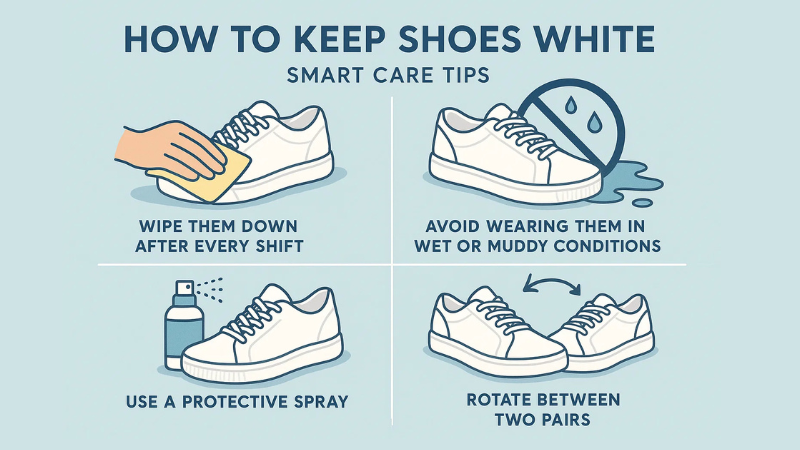
Wipe Them Down After Every Shift:
A quick wipe with a damp cloth at the end of the day can stop dirt from setting in. Focus on the soles and seams—those spots collect the most grime. Bonus tip? Keep a soft cloth or cleaning wipe in your locker or bag so it becomes part of your end-of-shift routine.
Avoid Wearing Them in Wet or Muddy Conditions:
If it’s raining or you’re heading through a messy parking lot, switch to a backup pair. Wet conditions not only stain shoes faster but also cause discoloration—especially on canvas or mesh. Think of your white shoes as “indoor professionals only.”
Use a Protective Spray:
Just like you wear PPE to protect yourself, your shoes need a little defense, too. Spraying them with a water- and stain-repellent before wearing (and refreshing weekly) helps block liquids and grime before they sink in. Look for sprays designed for the material your shoes are made from—leather, canvas, or mesh all have different needs.
Pro Tip: Rotate between two pairs of white shoes if possible. Not only does this extend their lifespan, but it also gives each pair time to fully dry and rest between shifts—keeping them cleaner, longer.
Little efforts each day mean less scrubbing later and a whole lot more longevity for your shoes. Want more insight on staying spotless on the job? Don’t miss the Best White Nursing Shoes—they’re designed with durability and easy cleaning in mind.
2. Make Your White Shoes White Again: Try Effective Home Remedies
Have your once-bright shoes faded to a dull beige or picked up more stains than you can count? Don’t worry—it happens to the best of us, especially after countless shifts on your feet. But the good news?
You don’t need to toss them just yet. With a few simple tools and a little patience, you can bring your white shoes back to life.
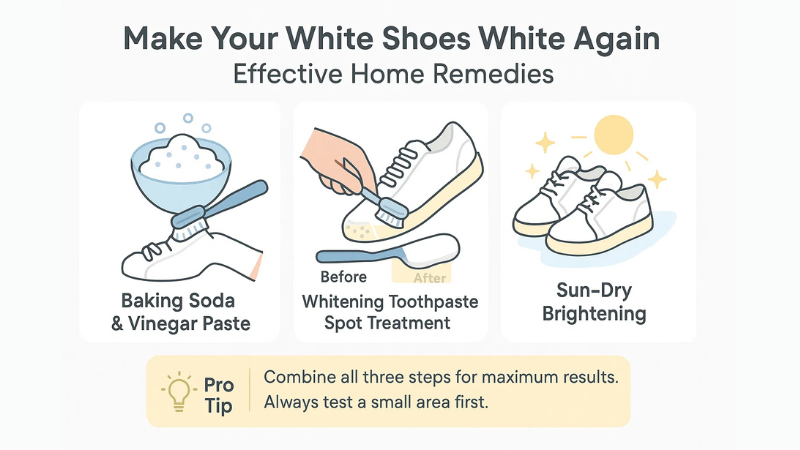
Let’s walk through the best ways to revive their original glow:
Try a Baking Soda & Vinegar Paste
This classic combo works wonders on deep stains. Mix 1 tablespoon of baking soda with 1 tablespoon of white vinegar and a splash of water to form a paste. Using a soft brush (like an old toothbrush), gently scrub the surface of the shoe.
Focus on stained areas and seams. Let it sit for about 15–20 minutes, then wipe or rinse clean.
Use Whitening Toothpaste for Spot Treatment
Got a stubborn scuff or yellowing spot? Whitening toothpaste can help lift minor stains, especially on rubber soles and edges. Dab it on, scrub gently with a toothbrush, and wipe away the foam with a damp cloth.
Avoid gel toothpastes—stick to the white, gritty kind for the best results.
Let the Sun Work Its Magic
After cleaning, place your shoes in a sunny spot to dry. Sunlight helps naturally brighten white fabric (think of it like sun-bleaching your laundry). Just avoid leaving leather shoes in direct heat too long—they can dry out or warp.
Pro Tip: For a deep refresh, combine all three methods in one go—clean with baking soda paste, spot-treat with toothpaste, and finish with a sun-dry session. Just make sure your shoes are compatible with these ingredients (test a small area first if you’re unsure).
With these simple tricks, you’ll no longer wonder how to make your white shoes white again—you’ll have the steps down like a pro. And if you’re ready for more shoe care advice, head over to our full guide on How to Clean Nursing Shoes for deep-cleaning techniques tailored to your shift schedule.
3. Get Stains Out of White Shoes: The Dab Method
Let’s be honest—no matter how careful you are, white shoes are stain magnets. Whether it’s coffee drips during a busy shift or mystery marks after a long day on the move, those once-pristine shoes can quickly start to look less than fresh. But here’s the good news: most stains aren’t permanent if you act fast.
So, what’s the best way to tackle those pesky spots? Let’s break it down:
Spot Clean with Gentle Tools:
Start simple. Use a soft-bristled toothbrush, sponge, or microfiber cloth to gently buff away surface dirt or fresh stains. Dampen the tool with water (and a drop of mild soap, if needed) and work in small circles. Don’t scrub too hard—especially on mesh or fabric—so you don’t damage the material.
Try Hydrogen Peroxide for Brightening:
Hydrogen peroxide can help lift tough stains and whiten fabric. Mix a small amount with water (equal parts) and dab it onto the stained area using a cotton pad or cloth. Let it sit for about 5–10 minutes before wiping clean. Always test on a small, hidden section first—some materials might react differently.
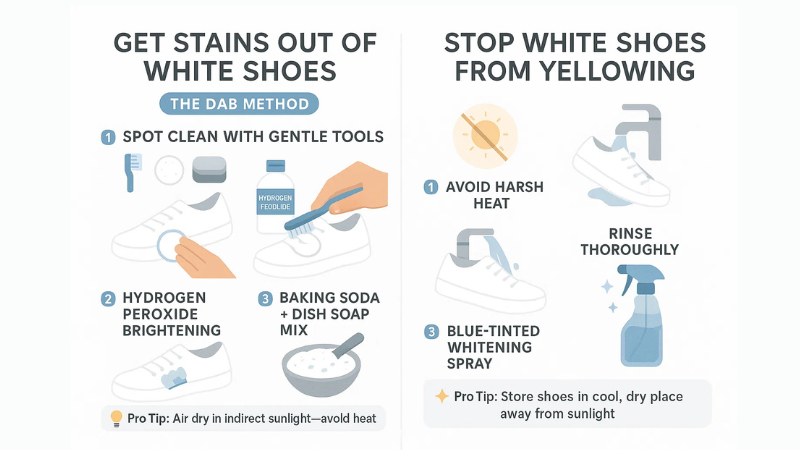
Baking Soda + Dish Soap = Magic Combo:
For stubborn or set-in marks (like scuffs or mud stains), try mixing 1 tablespoon of baking soda with a few drops of dish soap and enough water to make a paste.
Apply with a toothbrush, scrub gently, and let it sit for 10–15 minutes before rinsing or wiping away. This method is safe for most canvas and rubber surfaces.
Pro Tip: Let your shoes air dry in indirect sunlight after cleaning. Direct sunlight can help brighten white fabrics but avoid leaving leather shoes in strong heat for long periods.
Still dealing with that greasy stain from your lunch break? Check out How to Remove Oil Stains from Shoes for targeted solutions.
4. Stop White Shoes from Yellowing: Effective Steps to Stop it Even Before it Starts
Ever noticed how some white shoes slowly turn a strange yellowish shade—even when you clean them regularly? It’s frustrating, right? The truth is, yellowing usually isn’t from dirt. It often comes from how (and where) your shoes are cleaned, dried, and stored.
Let’s look at what causes yellowing—and how you can stop it before it starts.
Say No to Harsh Heat
Drying your shoes in direct sunlight or using a hair dryer might seem like a quick fix, but it can actually trigger oxidation—the chemical process that turns white materials yellow.
Instead, let your shoes air-dry in a cool, shaded space with good airflow. Yes, it takes a little longer, but your shoes will thank you.
Rinse Like You Mean It
Leftover soap or cleaning products can create a yellow tint over time, especially on canvas or mesh shoes. After scrubbing, make sure to rinse your shoes thoroughly with clean water.
If you’re using a baking soda or peroxide mix, wipe it off completely with a damp cloth to prevent residue buildup.
Try a Blue-Tinted Whitening Spray
Here’s a neat trick: blue-tinted brighteners (often found in laundry sections) can counteract yellow tones. A light spray or wash helps restore your shoes’ crisp, white look without bleaching them. Just be sure it’s made for fabric or sneaker-safe use—and test a small area first.
✨ Pro Tip: Store your white shoes in a cool, dry place away from direct sunlight. A breathable shoe bag or cloth cover helps block dust and discoloration when they’re not in use.
By paying attention to these small but important steps, you’ll keep your white shoes looking fresh—not faded.
5. Get Scuff Marks Off Shoes: Simple Methods to Try
Ever glanced down during your shift and spotted an annoying scuff on your otherwise spotless shoes? You’re not alone. Scuffs are part of daily wear—especially when you’re constantly on the move.
The good news? You don’t need special tools or hours of your time to make those marks disappear.
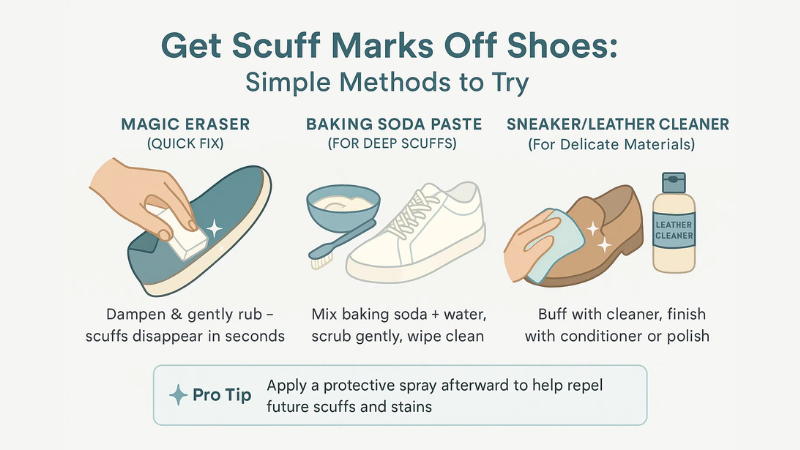
Let’s break down a few simple methods to help restore your shoes to their clean, polished look:
Magic Erasers = Your Quick Fix
Magic erasers are perfect for surface-level scuffs on rubber, leather, or synthetic materials. Just dampen the sponge slightly and gently rub the scuffed area in small circular motions.
The marks usually vanish in seconds. It’s almost like magic—no harsh scrubbing required.
Baking Soda Paste for Deeper Scuffs
If you’re dealing with a more stubborn mark, try mixing baking soda with a few drops of water to create a thick paste. Apply it with a soft toothbrush and gently work it into the scuffed area.
Let it sit for a minute or two, then wipe it clean with a damp cloth. It works especially well on white shoes or textured surfaces.
Use a Sneaker or Leather Cleaner
For leather shoes or delicate materials, it’s best to go with a cleaner made specifically for the job. Apply a small amount on a microfiber cloth and gently buff out the scuff.
Follow up with a leather conditioner or polish to keep the material soft and shiny.
✨ Pro Tip: After cleaning, apply a protective spray to help repel future scuffs and stains—especially if you wear your shoes daily in high-traffic areas like hospitals or classrooms.
Scuff marks don’t have to ruin your look or your day. With the right tools and just a few minutes, your shoes can be back to looking brand new.
6. Material-Specific Tips to Follow for Different Material Shoes
Ever tried cleaning your shoes and ended up making things worse? It usually comes down to one thing: using the wrong method for the material.
Not all white shoes are created equal—what works for canvas might damage leather, and what’s perfect for mesh won’t cut it on synthetics.
So let’s walk through the best ways to clean and protect different types of white shoes—without risking discoloration, damage, or wear.
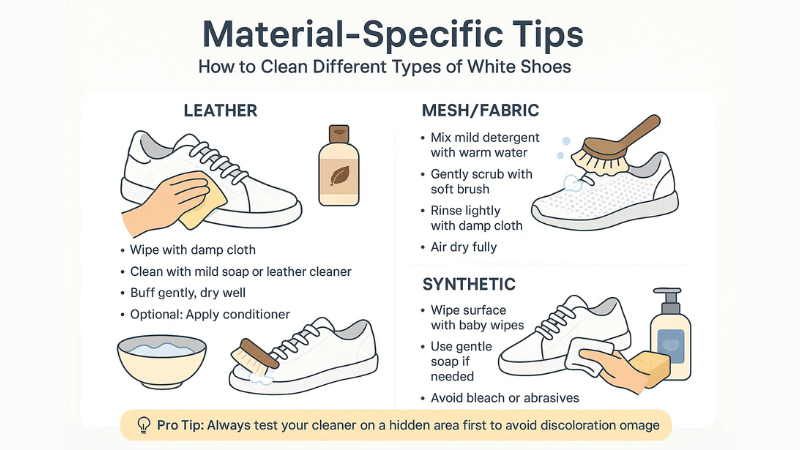
Leather
Leather shoes can be surprisingly easy to maintain if you treat them with care.
- Use a soft, damp cloth to wipe away surface dirt.
- Follow up with a leather cleaner or mild soap solution.
- Buff gently in circular motions and dry with a clean towel.
- Optional: Apply a small amount of leather conditioner to keep them supple and prevent cracking.
Mesh or Fabric
Mesh and other breathable materials are delicate but prone to collecting dirt.
- Mix a small amount of mild detergent with warm water.
- Dip a soft brush (like an old toothbrush) into the solution and gently scrub stained areas.
- Rinse with a clean, damp cloth—don’t soak!
- Let them air dry fully to avoid trapped moisture and odor.
Canvas
Canvas shoes—like classic white sneakers—can handle a little more scrubbing.
- Mix baking soda and white vinegar into a fizzy paste.
- Apply it with a brush to stained or dingy areas.
- Let the paste sit for 15–30 minutes, then scrub lightly and wipe off with a damp cloth.
- Allow the shoes to air dry in a shaded spot to avoid yellowing.
Synthetic Materials
For shoes made from faux leather, PVC, or other synthetic blends:
- Baby wipes are a quick fix for surface smudges.
- For deeper cleaning, use a sponge or microfiber cloth with gentle soap.
- Avoid bleach or abrasive scrubs, which can strip the coating or discolor the finish.
Pro Tip: No matter the material, always test your cleaner on a small hidden area first. A little caution goes a long way in preventing accidental damage.
Tailoring cleaning methods by material preserves shoe integrity and supports your overall strategy for how to keep shoes white.
7. Follow a Maintenance Schedule to Keep Shoes White
Let’s be honest — white shoes can be a magnet for stains, scuffs, and wear. But keeping them bright doesn’t have to be a chore. With a little consistency and the right routine, you can keep your favorite pair looking fresh without a lot of fuss.
Here’s a simple schedule that busy professionals (like nurses and teachers) can actually stick to:
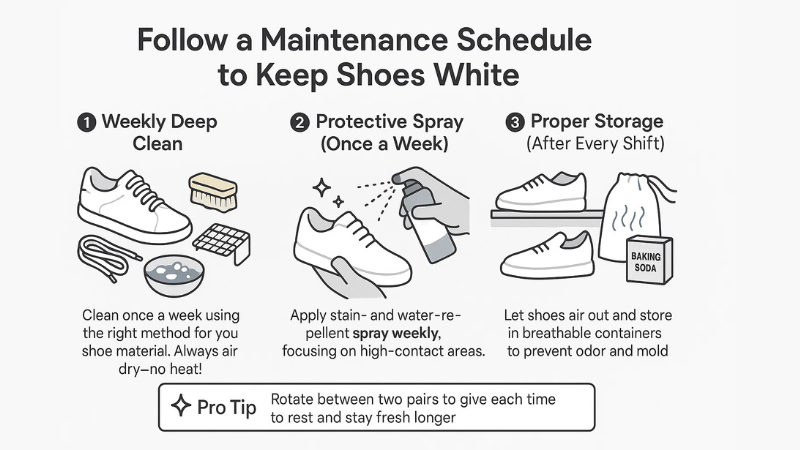
Weekly Deep Clean (Especially for Daily-Wear Shoes)
If you wear your white shoes day in and day out, they deserve a proper clean once a week.
- Remove laces and insoles before cleaning.
- Follow your material-specific method (canvas, leather, mesh, etc.) for a safe wash.
- Let shoes air dry completely before wearing again — never rush with heat!
Protective Spray: Once a Week
Prevention is just as important as cleaning.
- Apply a water- and stain-repellent spray after cleaning or at the beginning of your workweek.
- Focus on high-contact areas like the toe box, sides, and heel.
- Let it dry fully before wearing — this barrier helps block spills, sweat stains, and grime.
Proper Storage After Every Shift
What you do with your shoes after work matters more than you might think.
- Let shoes air out naturally before storing — no sealed bins right away!
- Use breathable cotton bags or ventilated boxes to keep mold and odor at bay.
- Add a sprinkle of baking soda inside if they need a little freshening up.
✨ Pro Tip: Rotate between two pairs of work shoes. It gives each one time to breathe and recover — especially important if you’re on your feet 10+ hours a day.
By sticking to this simple maintenance schedule and storing them properly, you’ll not only keep your white shoes looking great, but you’ll also extend their lifespan — saving money (and sore feet) in the long run.
Recommended Products (Affiliate Section)
Products | |
Sneaker Protectant Spray | |
Shoe Stain Eraser | |
Shoe Cleaning Brush Set | |
Shoe Whitening Kit |
Conclusion
Let’s face it — keeping white shoes spotless when you’re on your feet all day isn’t always easy. But with the right habits, it’s absolutely doable.
Protective sprays, gentle cleansers, and even household items like baking soda and vinegar can be your best allies in the fight against dirt and discoloration.
More importantly, clean white shoes don’t just look good — they help you feel more confident, polished, and ready to take on anything your shift throws at you.
FAQs: Keep Shoes White
What’s the best cleaner for white mesh shoes?
For delicate mesh, a gentle paste made from baking soda and water works wonders. Scrub lightly with a soft toothbrush to lift stains without damaging the fabric. Avoid harsh chemicals or rough brushes — mesh needs a little TLC!
How do I fix yellowed shoes after washing?
Yellowing often happens when detergent or cleaning agents aren’t fully rinsed out, or if shoes are dried in direct heat. To fix this, try a mix of baking soda and hydrogen peroxide, apply it to the yellowed areas, and let the shoes dry in the sun for a natural whitening boost.
How often should I clean white shoes?
Ideally, give them a light wipe after every wear — especially if you’ve had a long shift or walked through dirty areas. A deeper clean once a week (or every 5–7 wears) keeps them bright and helps prevent stains from setting in.
Can I use bleach on white shoes?
It depends on the material. Bleach can be too harsh for fabric, mesh, or leather and may actually cause yellowing or breakdown over time. If you must use it, dilute it heavily and spot-test first.
What’s the best way to prevent scuff marks?
Start by applying a protective spray when your shoes are new. Then, wipe them down regularly to remove surface dirt that can cause abrasion. Magic erasers or a baking soda paste usually buff them right out.
Leave a Reply