
If you’re a nurse, your shoes don’t just get a little workout — they run marathons every single shift. Walking up and down hospital corridors, rushing to patients, standing for hours… it’s no wonder your footwear starts showing signs of fatigue.
And here’s the thing: buying the best shoes for nurses is only half the battle. The other half? Taking care of them so they keep taking care of you.
So, how do you make nurse shoes last longer without sacrificing comfort or support? Let’s walk through it — step by step.
Why Shoe Longevity Matters for Nurses
If you’ve ever tossed your favorite pair of nursing shoes into the trash sooner than expected, you know the sting — and not just in your wallet. In a job where every step counts, the lifespan of your shoes directly impacts your comfort, performance, and even your safety.
Let’s be honest: nursing shoes aren’t just “shoes.” They’re your daily support system, carrying you through 12+ hour shifts, urgent patient calls, and those endless hallways you’ve walked so many times you could probably navigate them with your eyes closed.

They cushion your feet during code blues, pivot with you during quick turns, and absorb the strain of standing for hours on end. When they start breaking down, you feel it everywhere — from your toes to your lower back.
- You save serious money:
Nursing shoes are an investment, often $80, $100, or more per pair. If you’re replacing them every few months because they’re falling apart, you’re spending hundreds a year unnecessarily. With a few easy upkeep habits, you could easily double their lifespan and stretch your budget further.
- You protect your comfort and health:
Worn-out midsoles lose their shock absorption. Flattened insoles stop supporting your arches. Over time, that means sore feet, knee strain, hip pain, and even lower back issues. A shoe that’s falling apart doesn’t just feel bad — it affects your whole body.
- You reduce your risk of injury:
In a busy hospital, slippery floors are a fact of life. When the tread on your soles wears smooth, it’s like trying to run on ice. One quick turn with a slick sole and you could be dealing with a sprain — or worse.
- You keep your performance consistent:
When you’re not distracted by foot pain or cautious steps, you can focus entirely on your patients. Your shoes should help you move confidently, not hold you back.
The truth is, most nurses don’t realize how much control they have over their shoes’ lifespan.The fact is, with just a little effort, you can make your nurse shoes last longer It’s not about fancy products or time-consuming routines — it’s about small, consistent habits that keep your footwear in top shape.
How to Make Nurse Shoes Last Longer: Expert Shoe Care Tips
1. Daily Shoe Care Habits
Here’s a little insider tip most nurses don’t think about: your shoes don’t just “rest” when you take them off — they’re already gearing up for the next shift. The way you treat them in those off-hours can make or break how long they last.
Let them breathe after every shift.:
The hospital floor might be spotless, but your shoes definitely aren’t after a 12-hour day. Moisture from sweat gets trapped inside, and that’s a perfect recipe for bacteria, odor, and material breakdown.
As soon as you get home, pull out the insoles if they’re removable, and place your shoes in a dry, well-ventilated spot.
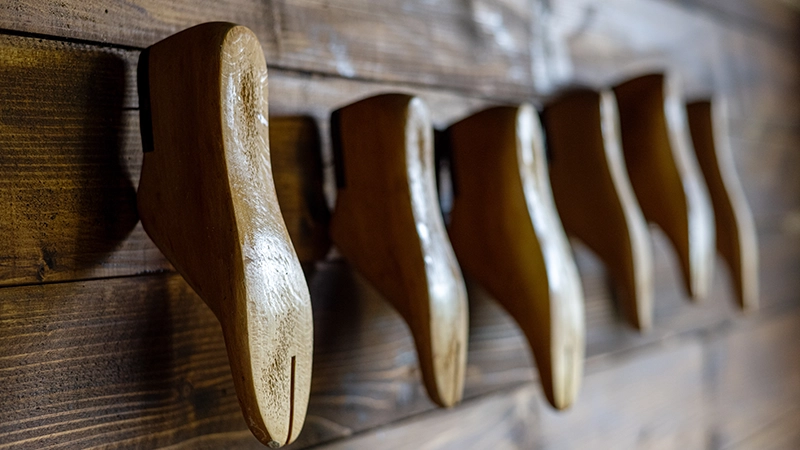
Keep their shape with cedar or paper:
Cedar shoe trees aren’t just for fancy dress shoes — they absorb moisture, neutralize odor, and help the shoe keep its shape. If you don’t have them, loosely stuff your shoes with newspaper or packing paper. Avoid paper towels; they don’t absorb nearly as well.
Avoid the “shoe graveyard” gym bag:
It’s tempting to toss your shoes into your work bag or locker at the end of a long day. But dark, damp spaces trap moisture and speed up material breakdown. If you have to carry them, use a breathable mesh shoe bag instead of a sealed tote.
It only takes a couple of minutes to add these habits to your post-shift routine. Think of it as giving your shoes their own version of self-care — because when they’re fresh, dry, and in good shape, they’ll keep you moving comfortably through every step of your shift.
2. Maintain a Cleaning Schedule for Nursing Shoes
Hospital floors might sparkle, but they’re not exactly gentle on your footwear. Between mystery spills, dust, and constant friction, your shoes go through more in a single shift than most people’s do in a week. That’s why keeping them clean isn’t just about looks — it’s about keeping them functional, supportive, and long-lasting.
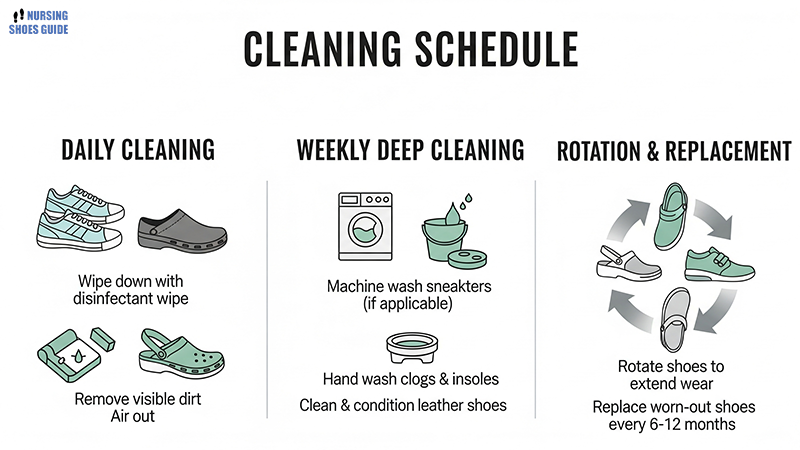
Daily – The quick reset
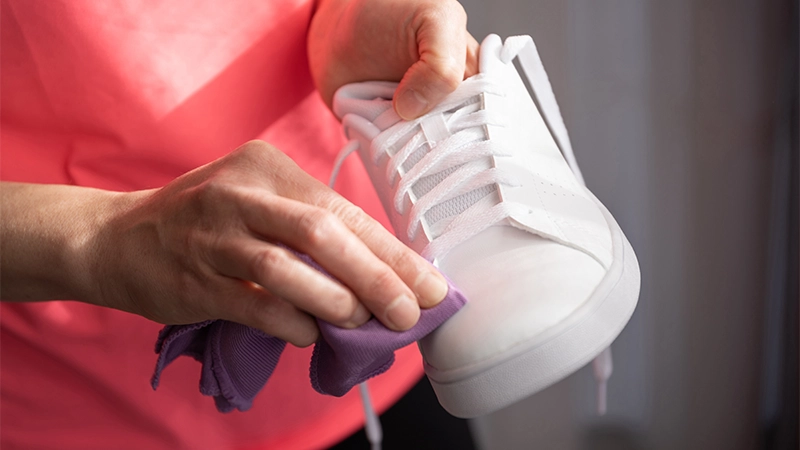
When you get home, give your shoes a quick once-over. Wipe off any dust, liquid splashes, or sticky spots with a damp cloth or disinfectant wipe. Not only does this stop stains from setting in, but it also keeps your shoes from tracking hospital grime into your home. Think of it like washing your hands — your shoes deserve the same end-of-day hygiene.
Weekly – The deep refresh
Once a week, set aside time for a proper clean based on your shoe material:
- Sneakers: Remove the insoles, give them a gentle scrub with mild soap and water, and let them air dry.
- Leather: Use a soft cloth with a leather cleaner or saddle soap, then condition lightly to keep the material supple.
- Clogs or synthetic shoes: Wipe with warm soapy water, rinse, and dry completely before wearing again.
Rotation – Let them rest
Owning two pairs of nursing shoes isn’t a luxury — it’s a smart strategy. Wearing one pair while the other rests lets moisture fully evaporate and prevents the cushioning from breaking down as quickly. This simple swap can add months (or even years) to the life of both pairs.
A cleaning routine like this doesn’t just keep your shoes looking sharp — it keeps them working hard for you, shift after shift. And when your shoes last longer, your feet stay happier, your posture stays better, and your wallet stays a little fuller.
3. Prevent Early Wear in Sneakers
If you’re a sneaker person, you already know why they’re a nurse’s favorite — lightweight, breathable, and easy on the joints. But unlike clogs or leather shoes, sneakers can show signs of wear faster if you’re not paying attention. The good news? A few small habits can dramatically extend their life.
Walk with purpose, not a shuffle
Dragging your feet across smooth hospital floors doesn’t just look tired — it grinds down the soles in record time. A more deliberate step keeps the tread intact longer, which means better grip and more support for you.
Refresh the insoles regularly
Even the best sneakers lose cushioning with constant use. Swapping out the insoles every 3–4 months keeps them feeling new and maintains proper arch support, which helps protect your feet, knees, and back. Bonus: new insoles can also cut down on odor.
Support the heel to protect the midsole
Over time, your body weight can compress the heel area, causing the midsole to collapse and lose its shock absorption. Using a quality heel insert or cushion not only improves comfort but also preserves the sneaker’s structure.
Rotate pairs if possible
Just like with nursing clogs, giving each pair a “rest day” allows them to fully dry out and bounce back between shifts. Moisture trapped inside accelerates the breakdown of both the cushioning and the fabric.
Taking these steps means your sneakers won’t just look better — they’ll feel better, too. And when your shoes are supporting you properly, every step of that 12-hour shift feels a little lighter.
4. Maintaining Leather Nurse Shoes
Leather shoes are the workhorse of nursing footwear — it’s durable, professional-looking, and can handle long hours on hospital floors. But even the toughest leather will break down if it’s neglected. The right care routine not only keeps them looking sharp but also extends their comfort and lifespan.
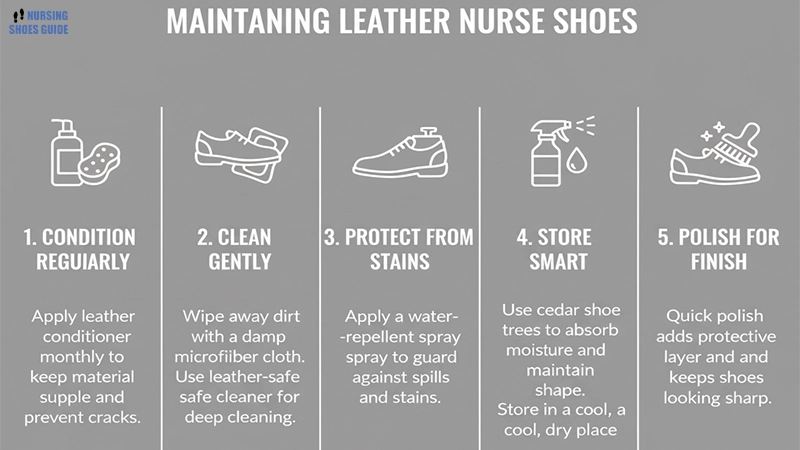
Condition regularly to prevent cracks
Leather dries out over time, especially in climate-controlled hospital environments. Applying a leather conditioner once a month keeps the material supple, helps it resist scuffs, and prevents those tiny cracks that can eventually lead to bigger splits.
Clean gently after each shift
Wipe away surface dirt and spills with a damp microfiber cloth — no need for soaking. For deeper cleaning, use a leather-safe cleaner rather than harsh detergents, which can strip away natural oils.
Protect from water and stains
Consider applying a water-repellent leather spray to guard against spills, especially if you work in high-traffic areas like the ER where accidents happen fast.
Store smart
Keep your shoes in a cool, dry place away from direct heat or sunlight, which can warp the shape and fade the color. Using cedar shoe trees helps them hold shape and absorb moisture between shifts.
Polish for a professional finish
A quick polish not only boosts appearance but adds a thin protective layer against daily wear and tear.
With this kind of consistent care, your leather nurse shoes will stay comfortable, supportive, and shift-ready for years — not just months.
5. Smart Shoe Storage Tips
Ever tossed your shoes into a random corner after a long shift, only to find them squished, smelly, or even warped later? Proper shoe storage isn’t just about organization — it directly impacts how long your footwear lasts.
Choose breathable storage
Avoid plastic bins or airtight containers, which can trap moisture and cause leather to crack or fabrics to develop mildew. Instead, opt for fabric shoe bags, mesh organizers, or open shelving that allows air circulation.
Keep them dry
Moisture is the enemy of any shoe material. Always make sure your shoes are completely dry before storing them. If they’re damp after a shift, air them out first or stuff them with paper to absorb excess moisture.
Maintain their shape
Shape-support tools like cedar shoe trees or inflatable shoe inserts prevent creases, keep the structure intact, and absorb lingering odors. For sneakers, lightly stuffing them with paper works just as well.
Store away from heat and sunlight
Direct sunlight can fade colors, while heat sources can dry out and damage materials, especially leather.
Dedicate a clean space
A shoe rack or cubby in a low-traffic area keeps your footwear safe from accidental scuffs or spills.
With just a little extra care in how you store them, your work shoes can stay fresh, supportive, and shift-ready far longer than you might expect.
When to Replace Even Well-Cared Shoes
No matter how much love and care you give your nursing shoes, eventually, they’ll reach their limit. Shoes are like trusted teammates. They support you day in and day out, but they can’t do the job forever.
So, how do you know when it’s time to say goodbye and invest in a new pair? Here are the key signs to watch for:
Loss of Structure and Support
If your shoes start to feel floppy or saggy, especially around the heel or arch, that’s a red flag. The internal support has broken down, and your feet aren’t getting the stability they need.
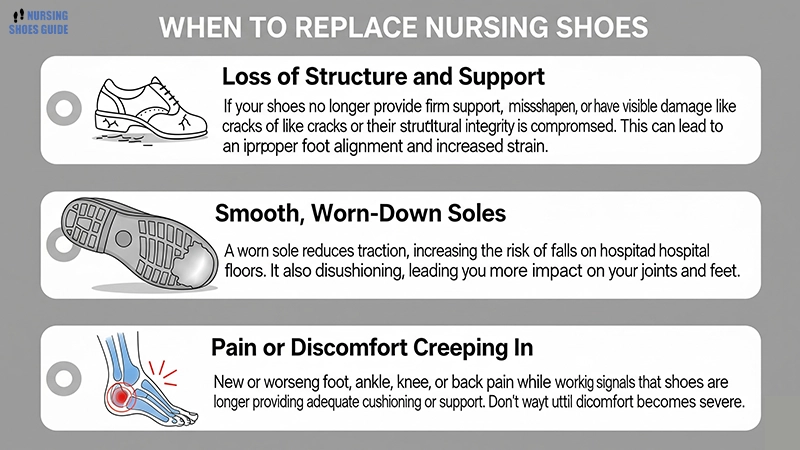
Smooth, Worn-Down Soles
Take a good look at the bottoms. If the tread is completely worn flat, you’re losing traction — and that’s dangerous in fast-paced hospital environments. Worn soles also mean less shock absorption, which leads to foot fatigue.
Pain or Discomfort Creeping In
If you start feeling aches in your feet, knees, or back after wearing shoes that used to be comfortable, don’t ignore it. Your shoes may no longer be providing proper support, and continuing to wear them could lead to bigger problems.
Remember, replacing your shoes isn’t just a splurge — it’s an investment in your health and safety. When you’re ready to shop, be sure to check out Why You Should Buy Good Shoes for Nurses so you make a choice that supports you from the first step to the last.
Recommended Products
Product | |
Leather Cleaner & Conditioner | |
Shoe Waterproofing Spray | |
Shoe Odor Absorbing Inserts | |
Cedar Shoe Tree |
Conclusion
Taking care of your nursing shoes goes way beyond just extending their lifespan — it’s about keeping your feet comfortable, supported, and ready to tackle every challenge your shift brings. When your shoes are in top shape, you’re not just protecting your investment, you’re protecting yourself from unnecessary pain and fatigue.
Make it a habit to clean them regularly, rotate pairs to let each one breathe and recover, and store them properly to avoid damage. These simple steps take just minutes but pay off in big ways during those long, demanding days on your feet.
FAQs About Making Nurse Shoes Last Longer
How long should nursing shoes last with proper care?
Typically 12–18 months, depending on rotation and care.
What’s the best way to store hospital shoes?
In breathable bags with shoe trees for shape.
Can I machine wash my nursing sneakers?
Sometimes — always check the manufacturer’s care tag.
How often should I clean leather nurse shoes?
Wipe daily, deep clean and condition monthly.
How do I know when to replace nurse shoes?
When discomfort, sole wear, or reduced support becomes noticeable.
Leave a Reply